Do You Need SSL for Your Website in Kenya? (HTTPS Explained)
SSL (HTTPS) is the padlock in your browser that keeps your visitors' data safe. Here is why every Kenyan business website needs it, in plain English.
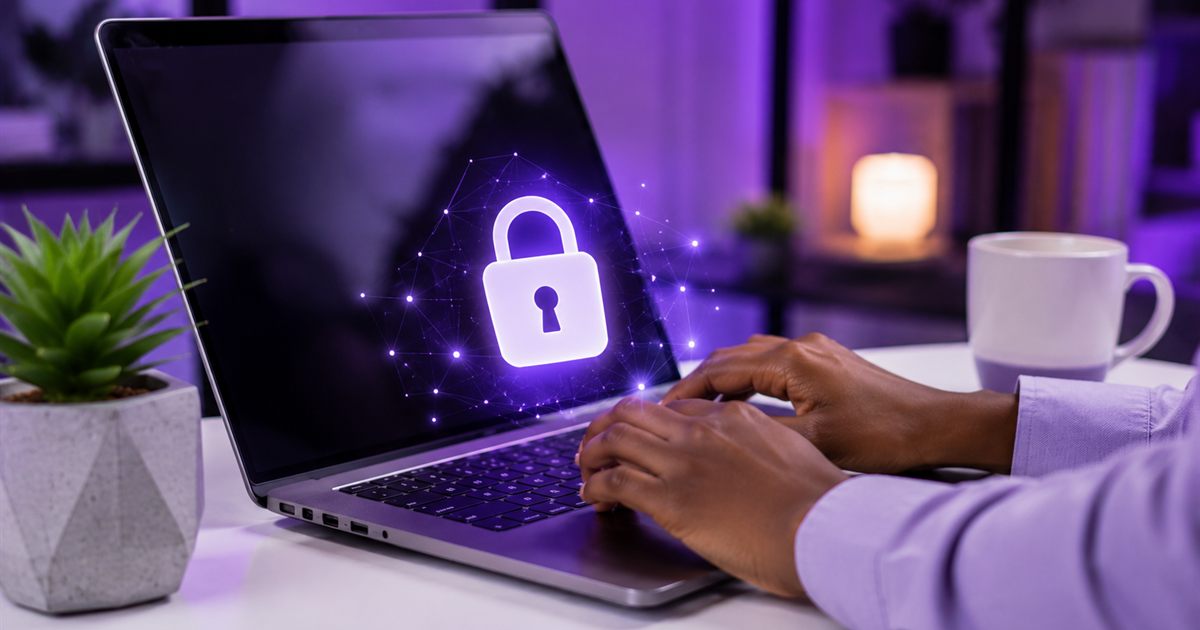
If you run a business, school or organisation online, you have probably wondered: do you need SSL for your website in Kenya? The short answer is yes. SSL is the technology behind the little padlock you see in your browser address bar, and it turns a plain, insecure website (http) into a secure one (https). In Kenya today, where customers pay by M-Pesa, log into accounts and share phone numbers online, SSL is no longer optional. It is a basic mark of a proper, trustworthy website.
Let us break down what SSL and HTTPS actually mean, why they matter for your business, and how you get them set up without any technical headache.
Do you need SSL for your website in Kenya? The direct answer
Yes, every website in Kenya should have SSL (HTTPS). It encrypts the information passing between your visitor and your site, so passwords, phone numbers and payment details cannot be read if they are intercepted in transit. It also builds trust through the padlock, stops browsers from flashing "Not Secure" warnings at your visitors, and supports better performance on Google, which treats HTTPS as a positive signal. A modern, professionally built site should always have it switched on.
What is SSL and HTTPS in plain English?
Think of SSL as a sealed envelope for your website. Without it, everything a visitor types into your site travels across the internet like a postcard, readable by anyone who intercepts it. With SSL, that information is locked in an envelope only your website can open.
Here is the simple vocabulary:
- SSL certificate — the digital "ID card" installed on your website that proves it is genuine and switches on encryption.
- HTTPS — the secure version of a web address. The "S" stands for secure. You will see it as https:// at the start of your link instead of http://.
- The padlock — the small closed-lock icon that appears in the browser next to your web address when SSL is working. It is the quickest signal to a visitor that your site is safe.
Why does SSL matter for a Kenyan business website?
SSL is about three things every business owner cares about: safety, trust and being found online.
- It protects your customers' data. Any time someone fills a contact form, creates an account, logs in or checks out, SSL scrambles that data so it cannot be read on the way. This matters most for anything involving payments or personal details.
- It builds instant trust. Kenyan shoppers are rightly careful about online scams. When they see the padlock, they relax. With no padlock, many will simply leave before buying or filling your form.
- Browsers warn visitors on insecure sites. Chrome, Safari and Edge now label sites without SSL as "Not Secure" right next to the address, and some show a full warning page. Imagine a potential client seeing that warning before your homepage even loads.
- Google favours secure sites. Google has publicly said it uses HTTPS as a ranking signal. A secure site has a better chance of appearing when people search for what you offer.
Is SSL only needed for online shops and payments?
No. It is true that SSL is absolutely essential the moment you handle logins, user accounts or payments — an online store or a site with customer dashboards must have it. But even a simple few-page brochure site needs SSL today.
Why? Because browsers now flag every non-secure page, not just checkout pages. Even a basic contact form counts as collecting data. So whether you run a SACCO, a school, an NGO, a church or a small shop, your visitors should see the padlock. It signals that you are a serious, current, well-run organisation.
How much does an SSL certificate cost in Kenya?
Here is good news for your budget: many SSL certificates are available free of charge, and paid ones are usually a modest cost. In most cases SSL is set up as part of building and hosting your website, so you never deal with it as a separate, complicated purchase.
The important thing is that it is installed correctly and renews automatically, so your padlock never suddenly disappears and your site never starts showing warnings. A certificate that quietly expires can break trust overnight, which is why it is best handled by whoever builds and maintains your site rather than left to chance.
How do I get SSL (HTTPS) set up for my website?
You do not need to touch any technical settings yourself. When Faztech Websites builds your site, HTTPS is part of doing the job properly. We handle it end to end:
- We set up your domain and hosting, or work with your existing setup.
- We install and configure the SSL certificate so your site loads on https://.
- We make sure every page redirects to the secure version, so no visitor ever lands on an insecure page.
- We confirm the padlock shows correctly across phones and computers.
Because we build every site to modern standards, your visitors get that padlock from day one. If you also want us to keep an eye on renewals and general upkeep over time, we offer ongoing website maintenance and support — reach out and we will tailor a plan to your site.
What if my current website has no padlock?
If you visit your own site and see "Not Secure" or no padlock, that is a signal to act. It usually means either no SSL certificate is installed, or one has expired, or some pages are still loading insecurely. Any of these can quietly cost you customers and search ranking.
The fix is straightforward for a professional to sort out. Whether it is patching an existing site or building a fresh, secure one, we can look at it and advise the simplest route. You can order a new website online or send us the details of your current site and we will point you the right way.
The bottom line for Kenyan businesses
SSL and HTTPS are no longer "nice to have" — they are the baseline for any credible website in Kenya. They keep your customers' data safe, earn trust with the padlock, keep browsers friendly instead of flashing warnings, and support your visibility on Google. With a done-for-you approach, you never have to think about the technical side at all.
Ready for a fast, secure website that shows the padlock from the very first day? Talk to Faztech Websites or see our fixed KES packages, and let us handle the security so you can focus on your business.
Frequently asked questions
Do you need SSL for a website in Kenya?
What is the difference between HTTP and HTTPS?
How much does an SSL certificate cost in Kenya?
Does my simple business website really need SSL, even without payments?
How do I add SSL (HTTPS) to my website?
Ready to get your website?
Fixed KES pricing, pay half to start, and M-Pesa-friendly payments — let's build something great.
Start a project View pricingKeep reading
 How to Write Content for Your Website: A Simple Guide for Kenyan Businesses
How to Write Content for Your Website: A Simple Guide for Kenyan Businesses
Staring at a blank page? This friendly guide shows Kenyan business owners how to write clear, customer-focused website content page by page, plus a simple checklist to get you unstuck.
Read the guide → How to Choose a Web Designer in Kenya: A Buyer's Guide (2026)
How to Choose a Web Designer in Kenya: A Buyer's Guide (2026)
Hiring someone to build your website is a big decision. Here is a plain, honest guide to choosing a web designer or developer in Kenya, the questions to ask before you pay a deposit, and the red flags to walk away from.
Read the guide → Website Maintenance in Kenya: What It Involves and Why It Matters
Website Maintenance in Kenya: What It Involves and Why It Matters
Launching a website is only the beginning. Here is why ongoing website maintenance in Kenya matters, what a good maintenance plan covers, and how to keep your site safe, fast and current.
Read the guide →